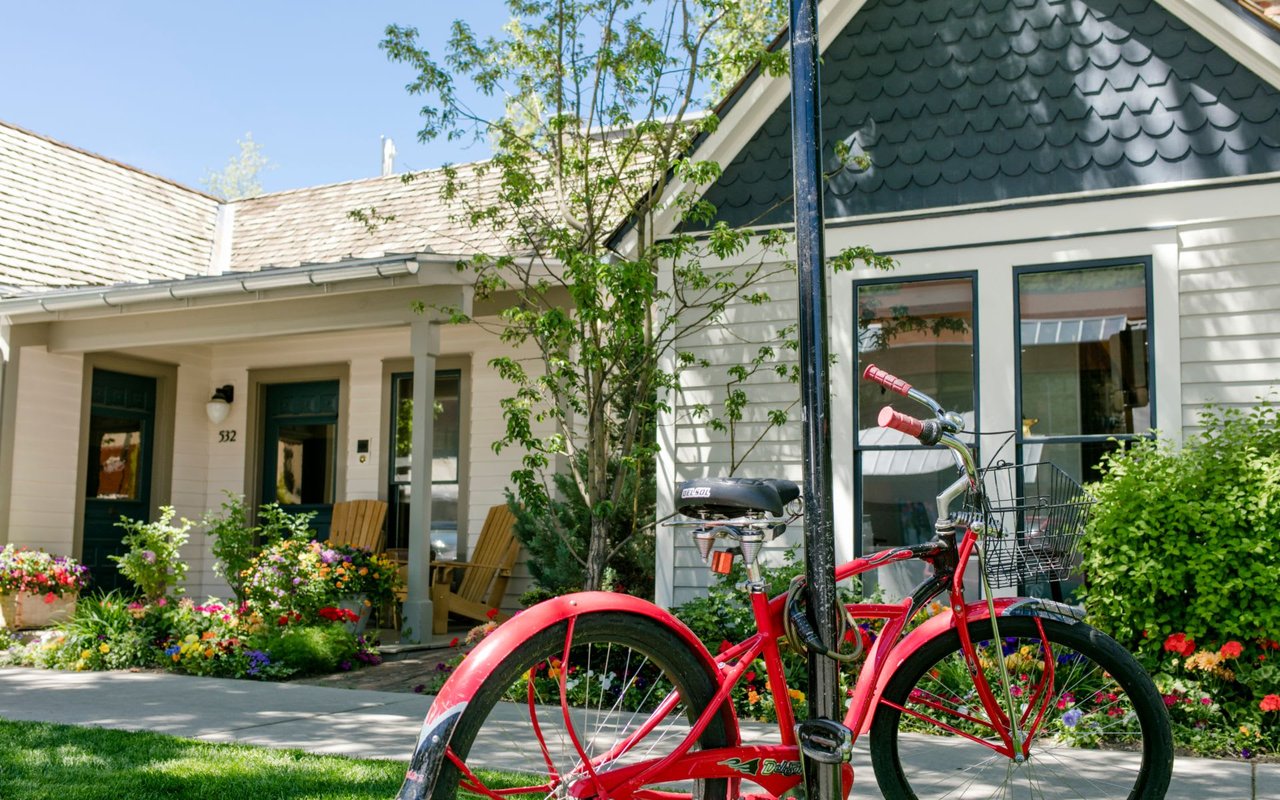
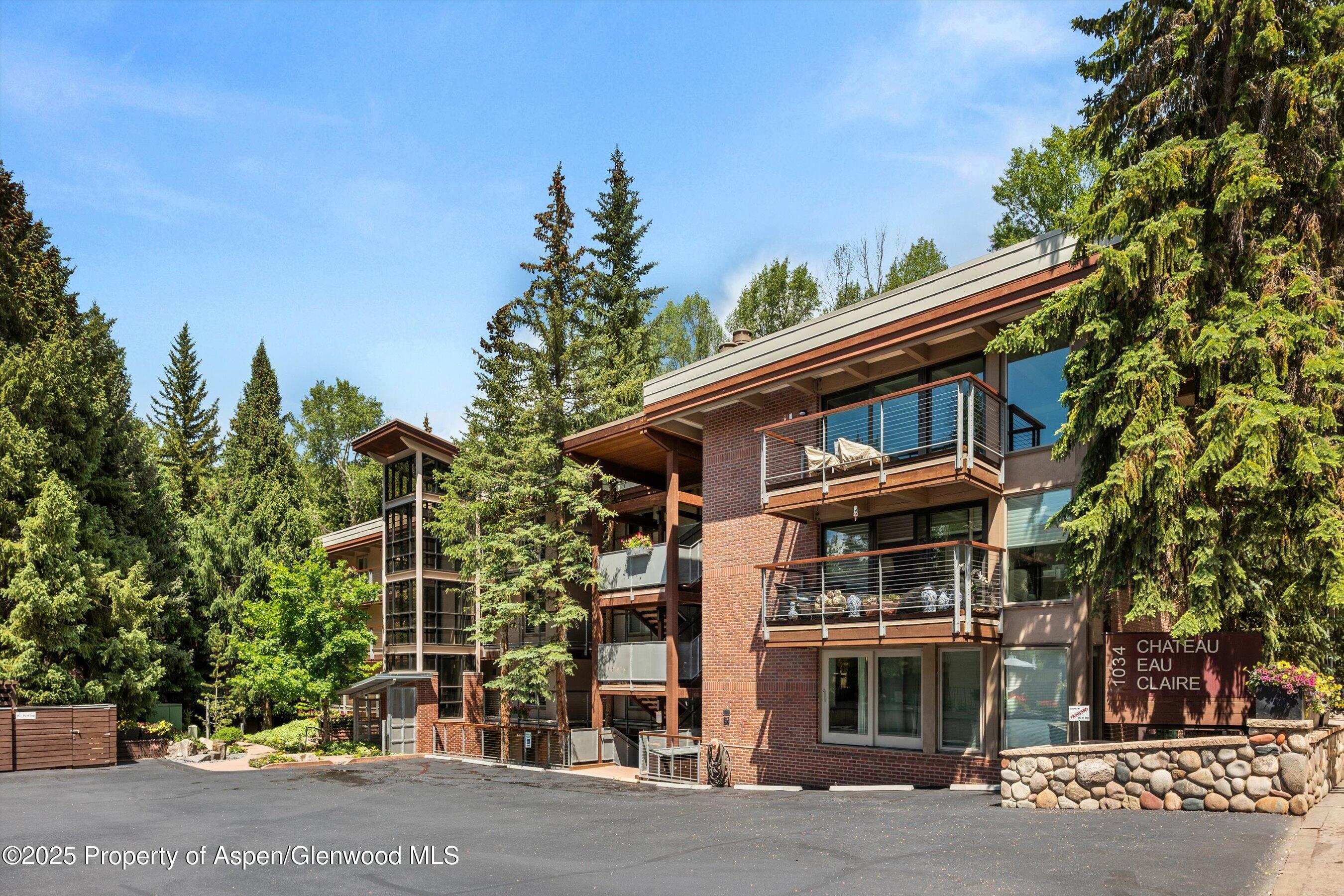
Aspen is a small town with an unusually wide range of housing, from Victorian cottages and downtown condos to hillside estates on significant acreage. The Fourteeners that line the valley create an intimate, contained feel, and in winter there is only one way in or out. For buyers weighing Aspen, the important work is understanding how different the neighborhoods are from one another, because character and pricing shift considerably block to block.
Aspen is really a collection of distinct neighborhoods. This guide is the starting point. Explore any of them in depth:
- Aspen Core — The walkable downtown heart of town, steps from the gondola and Rubey Park, with the lodging district's short-term rental advantages.
- West End — Victorian homes on tree-lined streets, walking distance to downtown and home to the Aspen Music Festival grounds.
- Red Mountain — Aspen's highest property values, with hillside privacy, large parcels, and views toward the Maroon Bells.
- West Aspen — The widest range of homes in Aspen, from duplexes to estates, closest to the schools, hospital, and airport.
- East Aspen — Privacy and space minutes from town, including McSkimming, Knollwood, Mountain Valley, and estate properties near Independence Pass.
The Community
Aspen's modern identity traces to the 1940s, when Walter and Elizabeth Paepcke arrived and the town adopted the Aspen Idea, a community vision built around mind, body, and spirit. That framework still shapes the culture, and it explains why a town this size supports the arts and cultural institutions it does.
The mining history runs deeper still, back to the 1880s, and it shows in the architecture. Preserved Victorians sit alongside mountain modern homes, estates, condominiums, and cottages, which is why the housing stock varies so widely across a compact area.
Setting and Recreation
The outdoor access is the foundation. Skiing across four mountains in winter, and in the warmer months hiking the Ute Trail and Smuggler Mountain, cycling toward the Maroon Bells, Ashcroft, and Independence Pass, and whitewater rafting on the rivers below.
The cultural calendar is unusual for a town this size. The Aspen Saturday Market runs from mid-June to early September, the Food & Wine Classic comes through in the summer, and the Aspen Music Festival and Aspen Film draw audiences from well beyond the valley.
Downtown is compact but deep, with more than 200 stores ranging from designer retail and art galleries to locally owned outdoor supply shops, and a restaurant scene that runs from Paradise Bakery in the morning to full dinners at the top end.
Who Lives Here
Aspen locals tend to be outdoor-oriented with a parallel interest in arts, culture, and community. The mountains and rivers shape how people spend their time, and the town's cultural infrastructure fills in the rest.
Families are well served, with strong public safety, extensive recreation, and highly rated schools. Retirees are a meaningful part of the community as well, drawn by the pace and the ability to have dining and cultural amenities without a city.
Schools include the Aspen School District, K-12, with a student-teacher ratio of 12:1. Wildwood School offers preschool focused on artistic development and the environment, and Aspen Country Day School covers Pre K-8.
The Real Estate Market
Pricing and product vary more by neighborhood here than in most markets, and the differences are substantial. The Core prices on walkability and rental potential, Red Mountain on view corridors and lot value, West Aspen on space and school access, the West End on historic character, and East Aspen on privacy and acreage.
Each neighborhood carries its own pricing dynamics, covered in the individual guides linked above. For current pricing, inventory, and days on market, see my latest Aspen market report.
Working with Hudson
Choosing the right Aspen neighborhood matters more than most buyers expect, and the differences are not obvious from listing photos. If you are considering Aspen as a buyer or seller, in any of its neighborhoods, I'd love to connect.