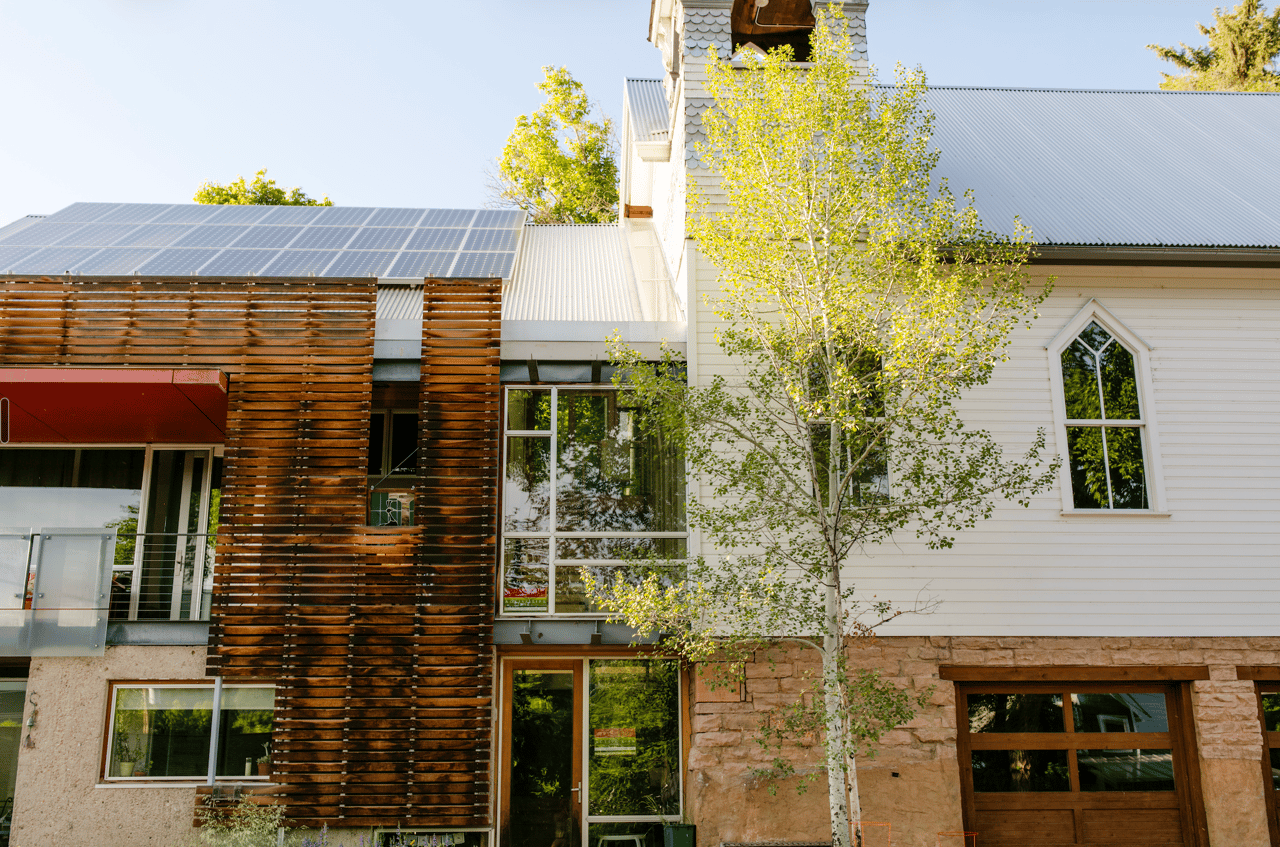
Old Town Basalt is one of the few walkable downtowns in the Roaring Fork Valley. Historic Basalt sits at the confluence of the Roaring Fork and the Fryingpan, two Gold Medal rivers that shape the character of the town, roughly midway between Aspen and Glenwood Springs. For buyers who want an authentic mountain town with real community and a mid-valley location, without the price premium or the scene of Aspen, it deserves a serious look.
The Community
Basalt grew up as a railroad and charcoal town in the 1890s, and that history still shows in the Victorian-era brick buildings along Midland Avenue. The town recently completed a $16.8 million overhaul of that main street, the Midland Avenue Streetscape Project, which widened sidewalks, replaced aging infrastructure, added landscaping and public art, and connected downtown to the renovated Basalt River Park. The project won a 2025 Downtown Colorado Excellence Award, and the retail and restaurant mix keeps improving alongside it.
Downtown carries a steady rhythm through the warm months. The Basalt Sunday Market runs every Sunday from mid-June into late September, and the Basalt Summer Concert Series brings free live music downtown by the river on Wednesday evenings, a tradition more than 30 years running. It is a grounded, lived-in place rather than a resort, and that is the appeal.
Setting and the Rivers
The confluence defines Basalt. The Fryingpan comes down from Ruedi Reservoir to meet the Roaring Fork at the edge of downtown, and both rivers carry Gold Medal designation for fly fishing, which is rare for a single town. That access is part of daily life here.
Basalt River Park gives downtown a green space on the water, with a whitewater park for kayakers and easy access to the Roaring Fork. The Rio Grande Trail, the paved path that runs the length of the valley, passes right through, so residents can ride toward Willits or Carbondale without touching Highway 82. Arbaney Park adds space for walking dogs and a recently renovated park for kids. The Basalt Arbaney Park Pool is perfect entertainment for kids or swimming laps in the summer months.
Who Lives Here
Old Town holds a healthy mix of full-time residents and part-time owners. Full-timers give the neighborhood its year-round pulse. Many of the part-time owners were first drawn to Basalt by the Roaring Fork Club, the private golf and fishing club just outside downtown, and keep a home in Old Town for the walkable base it provides.
The location works for families and commuters. RFTA buses run the valley corridor and make Aspen an easy trip of about 30 to 40 minutes without the drive or the parking, and Old Town has bus service to Aspen Country Day School for families sending children up-valley. Basalt's own public schools sit close to downtown.
The Real Estate Market
The housing stock is where Old Town's character shows most. Historic homes with real age and detail, Victorian-era cottages and early-century houses, sit near newer infill and townhomes. Nothing about it is uniform, and that eclectic quality is central to the neighborhood's feel.
For buyers, Old Town offers a range that is hard to find up-valley. Townhomes and condos provide an entry point, single-family homes offer history and walkability, and a handful of properties sit directly on the river. For current pricing, inventory, and days on market, see the Basalt to market report.
Working with Hudson
My own family landed in Basalt when we moved to the valley, and the rivers and the walkability are a large part of why. I know this neighborhood as a resident and a broker. If you are considering Old Town Basalt as a buyer or seller, I would welcome the conversation.