As reported today in the Wall Street Journal, a new wave of taxes targeting second homeowners is moving across the country. New York City, Rhode Island, San Diego, Montana. The policy rationale is consistent: housing is scarce, second homes sit empty, and someone has to pay.
The frustration is understandable. But Aspen is not the right place for this argument.
The Structural Reality
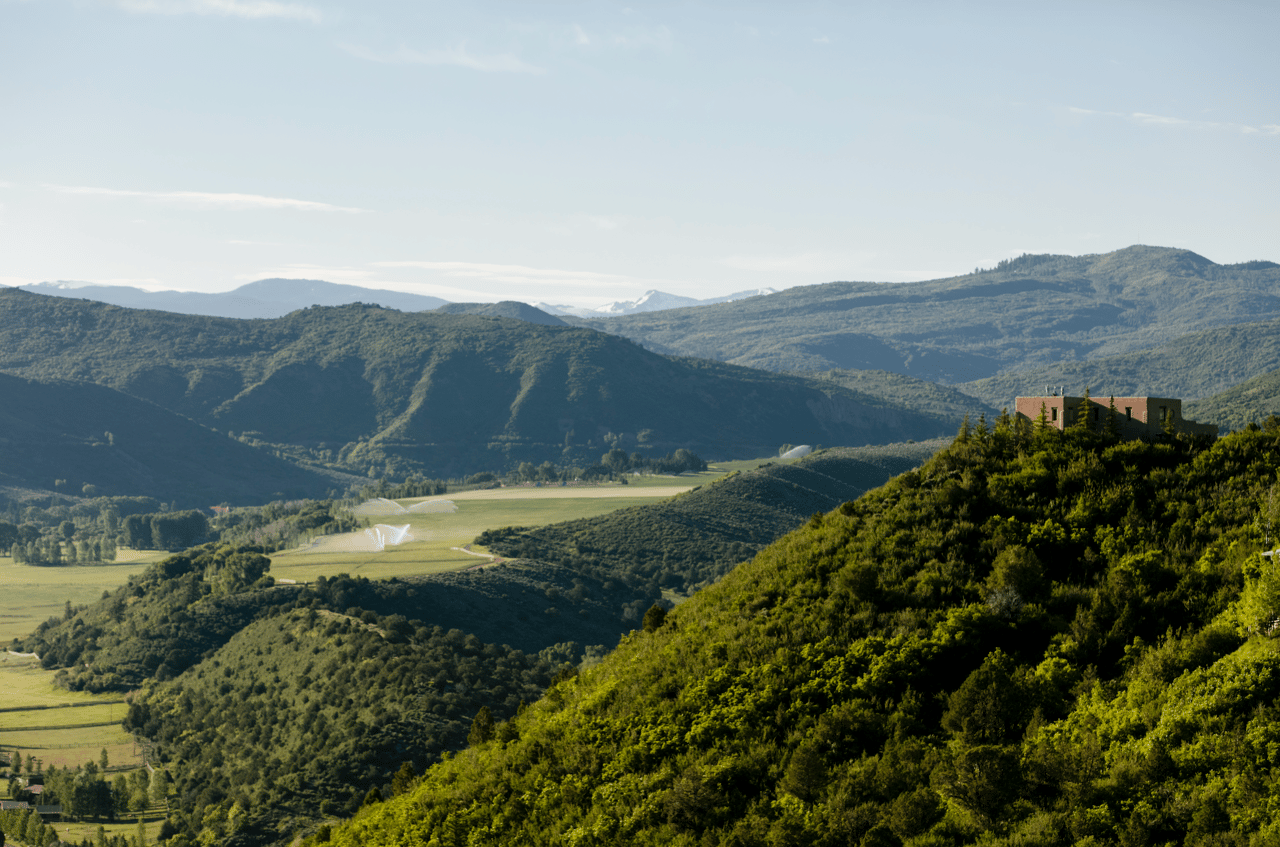
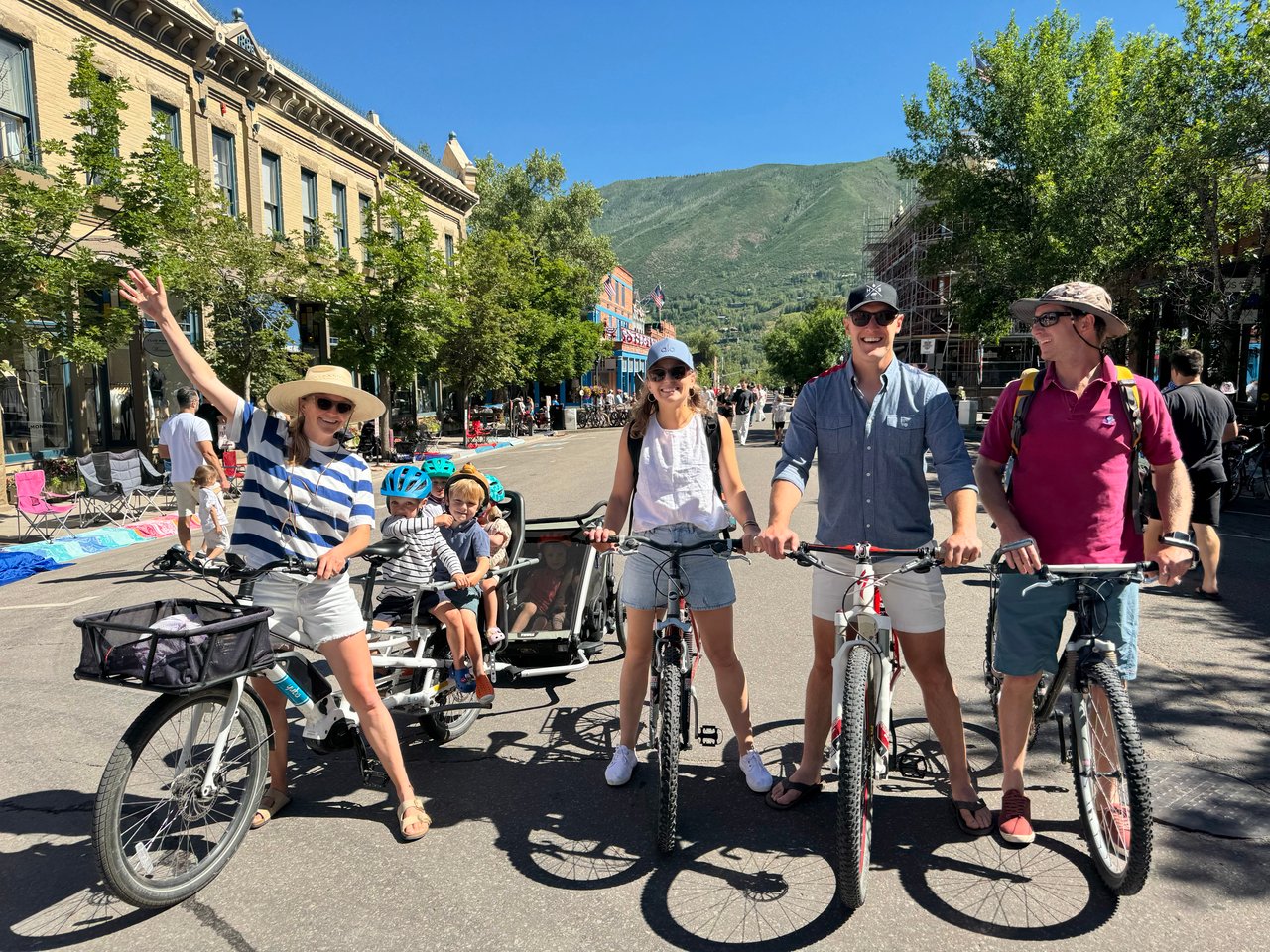
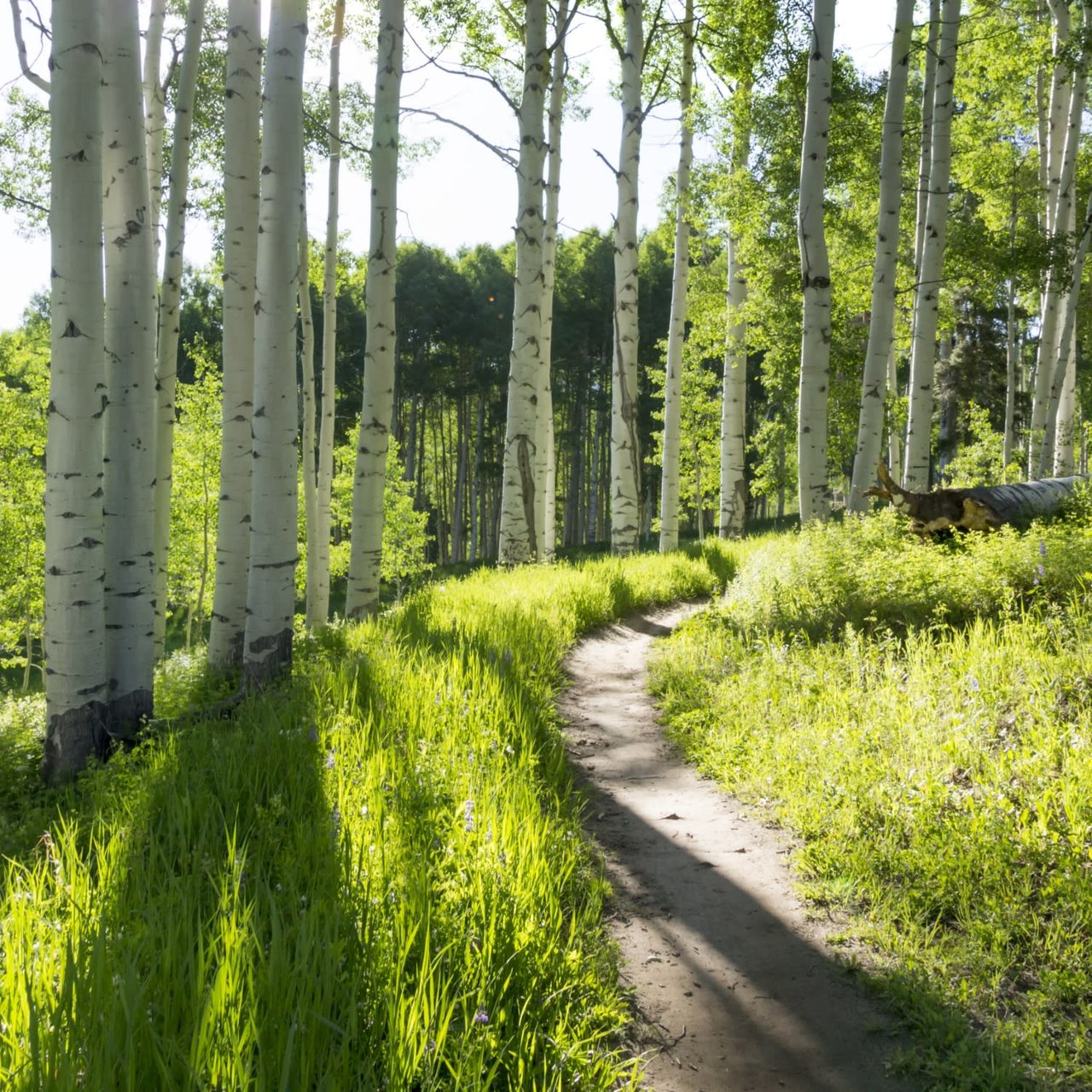
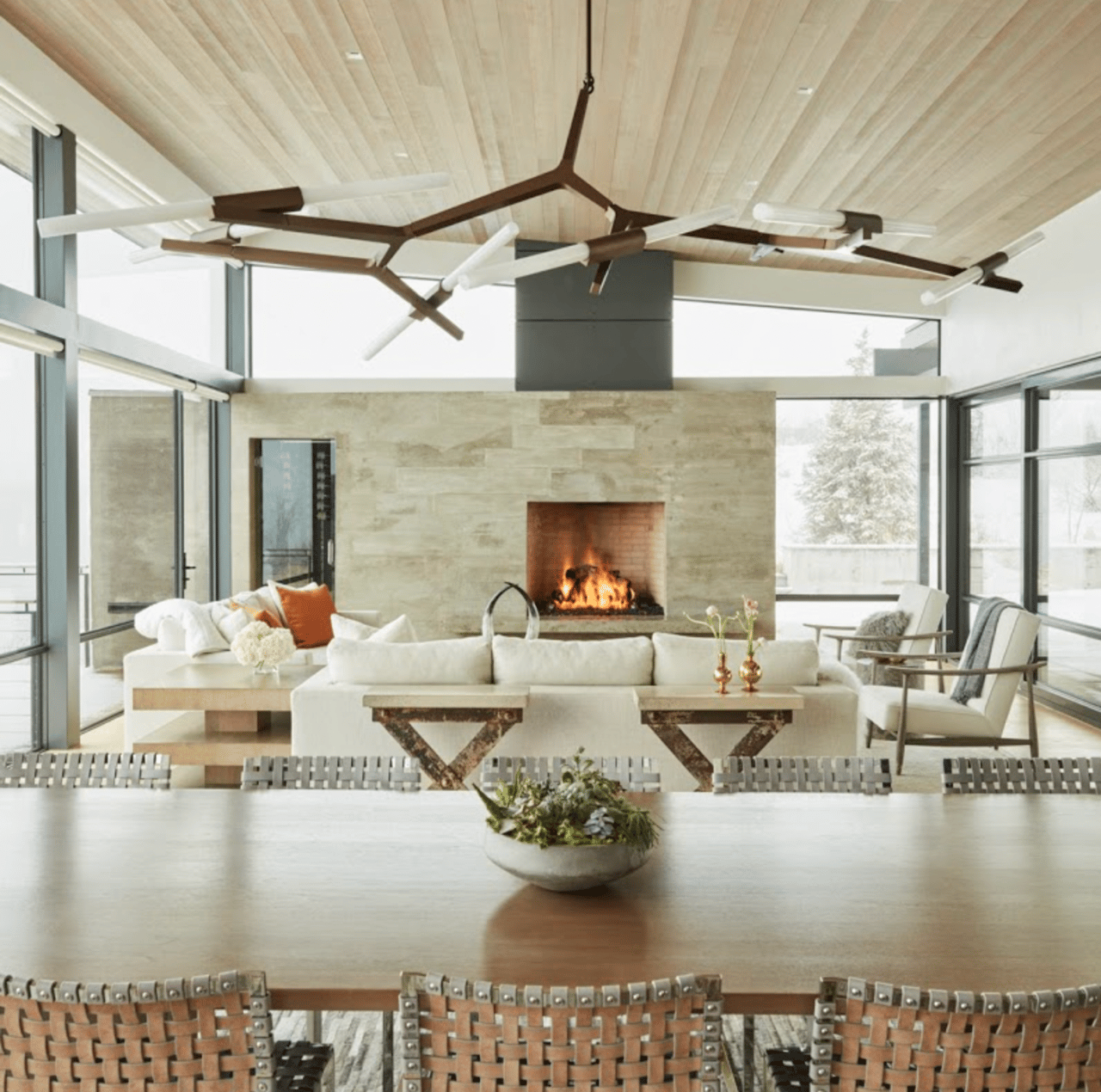
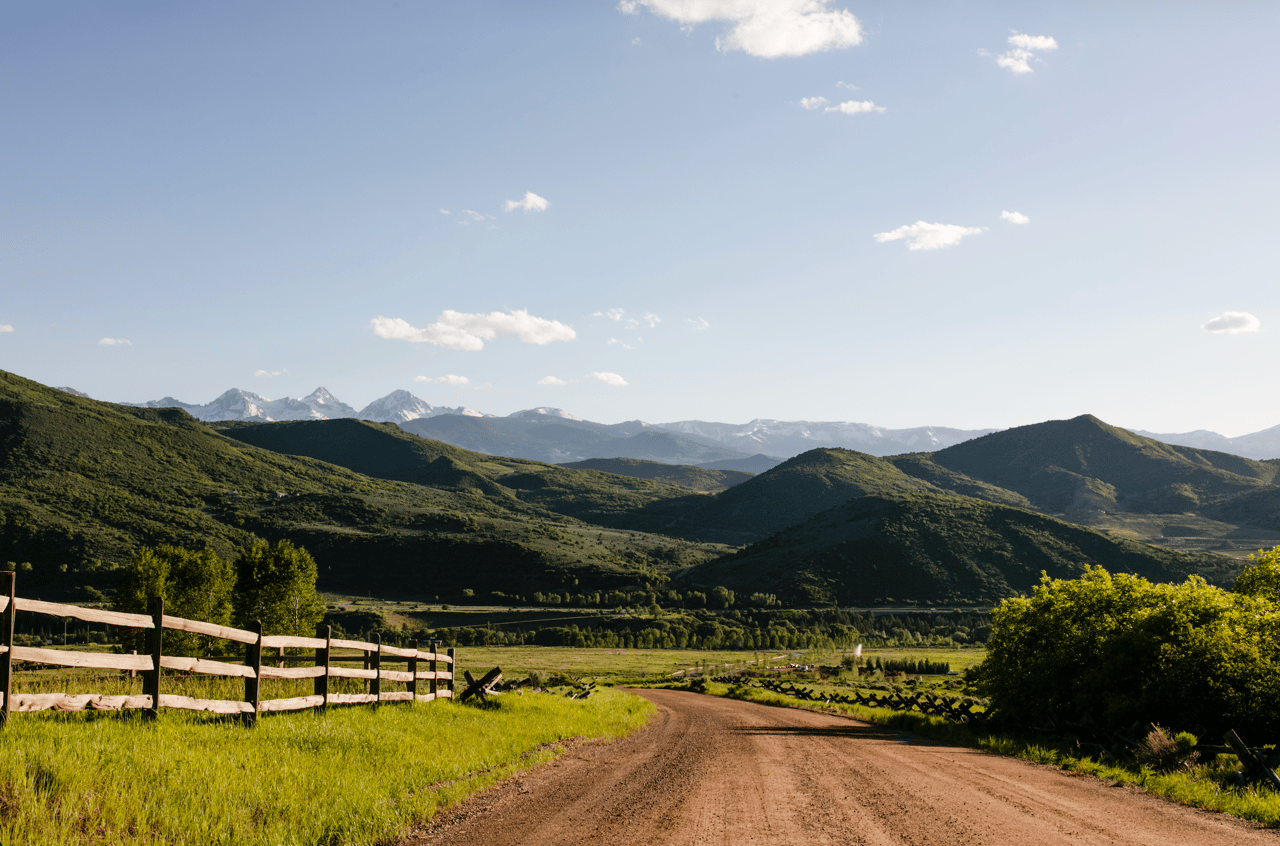
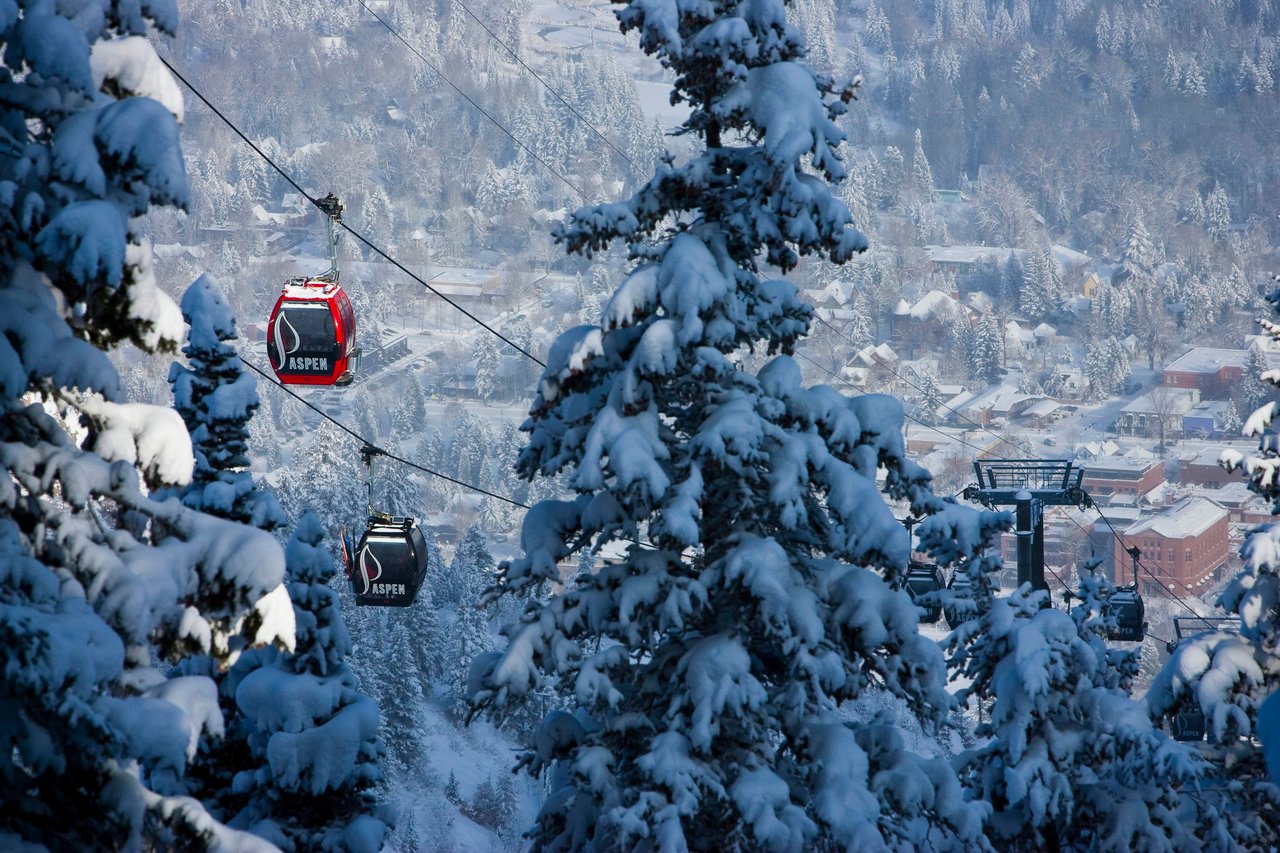
The Roaring Fork Valley is structurally dependent on second homeowners in ways that urban markets are not. The property taxes generated by high-end real estate here fund free city bus service, maintained trails and bike paths, parks, roads, emergency services, and school funding that full-time residents rely on. These are not amenities designed for second homeowners. They are the infrastructure of a livable community, paid for in significant part by people who don't live here full time.
A policy designed for Manhattan or San Diego does not translate here. The math runs in the opposite direction.
Our Most Important Customer
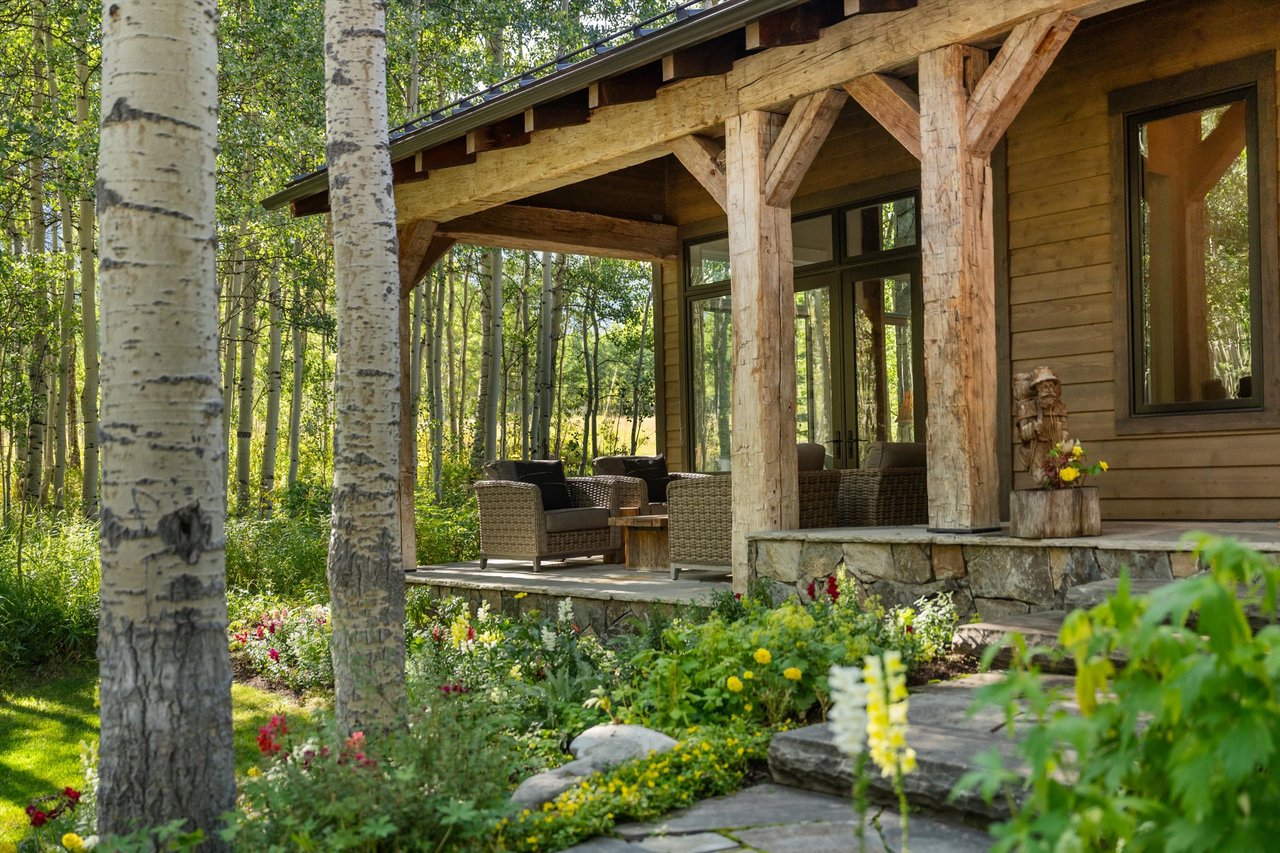
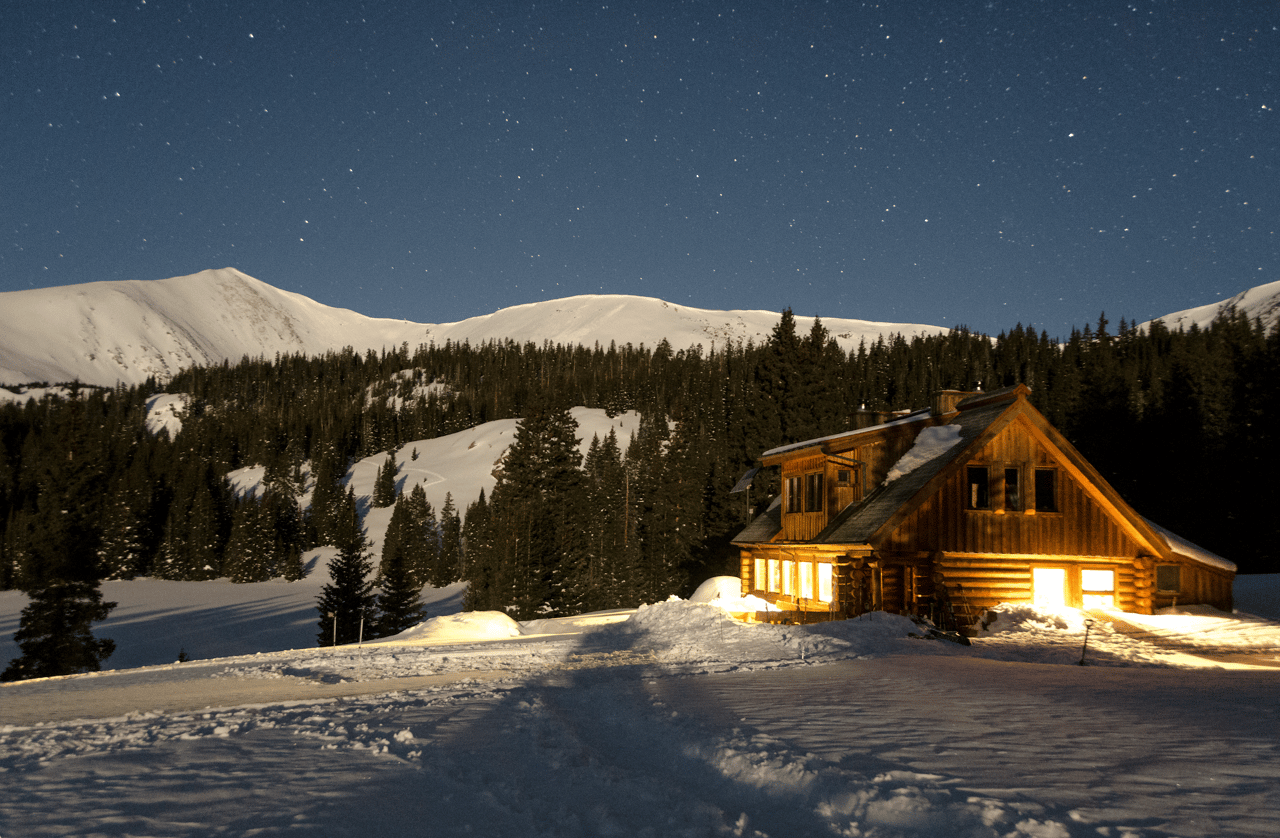
Vacation homeowners are the engine of this economy. They hire local contractors, fill local restaurants, employ property managers, and contribute massively to the civic and philanthropic life of the valley. When they redirect their time and spending somewhere else, that loss moves broadly through the local economy.
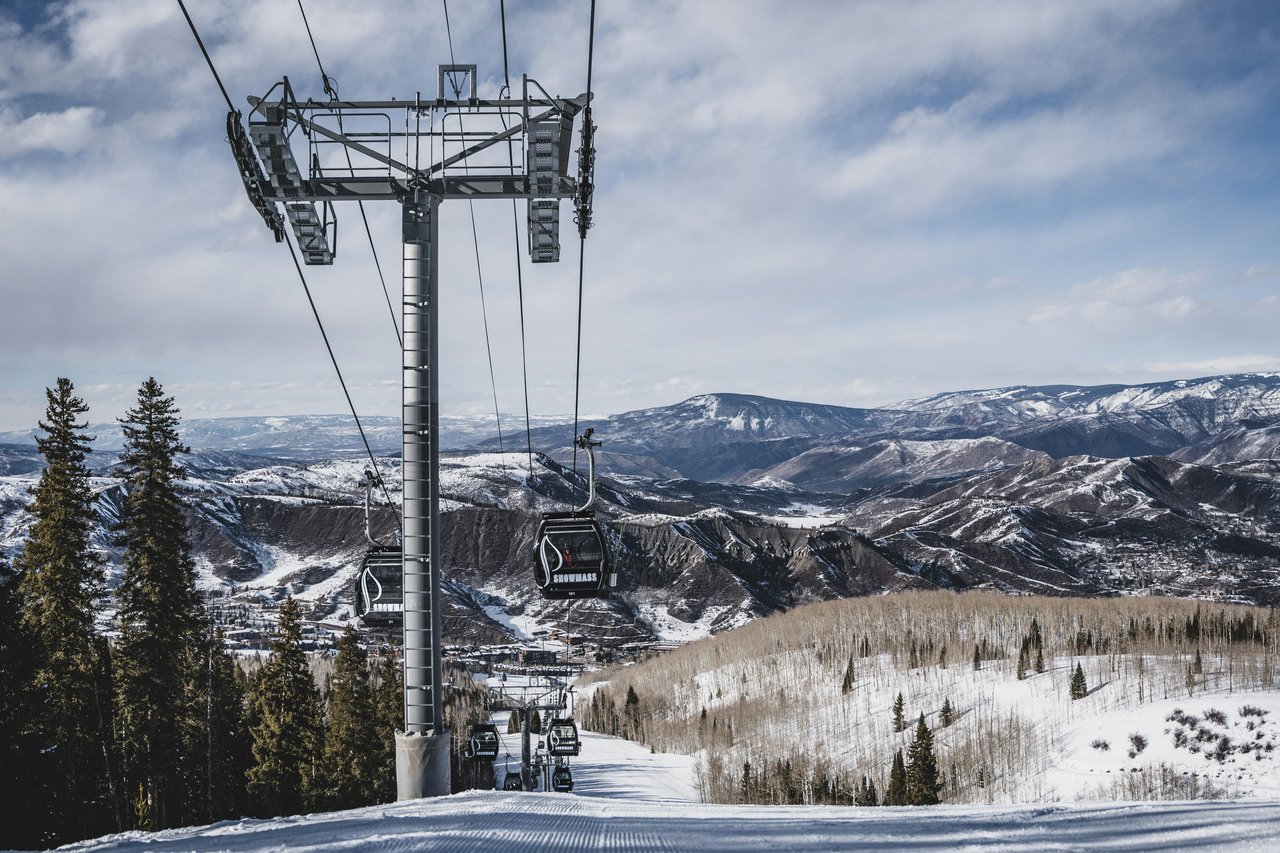
These buyers have options. The family weighing Aspen against Jackson Hole or Snowmass against Park City is not locked in. They are asking whether this community values their presence. A tax policy that frames them as a problem to be managed can impact that calculation.
The Real Problem Deserves Real Solutions
Aspen's affordability challenges are real. The housing shortage for working locals, the difficulty of retaining teachers, nurses, and service workers: these deserve serious solutions. Deed-restricted housing, employer-assisted programs, density conversations.
The valley needs more people invested in its future, not fewer. It's worth saying that clearly before this conversation arrives here.