The Aspen summer market has a rhythm to it. Most people guess wrong about when it starts, when it peaks, and when the real deals get done. Getting the timing right matters, whether you're trying to sell or trying to buy.
The Setup: May and Early June
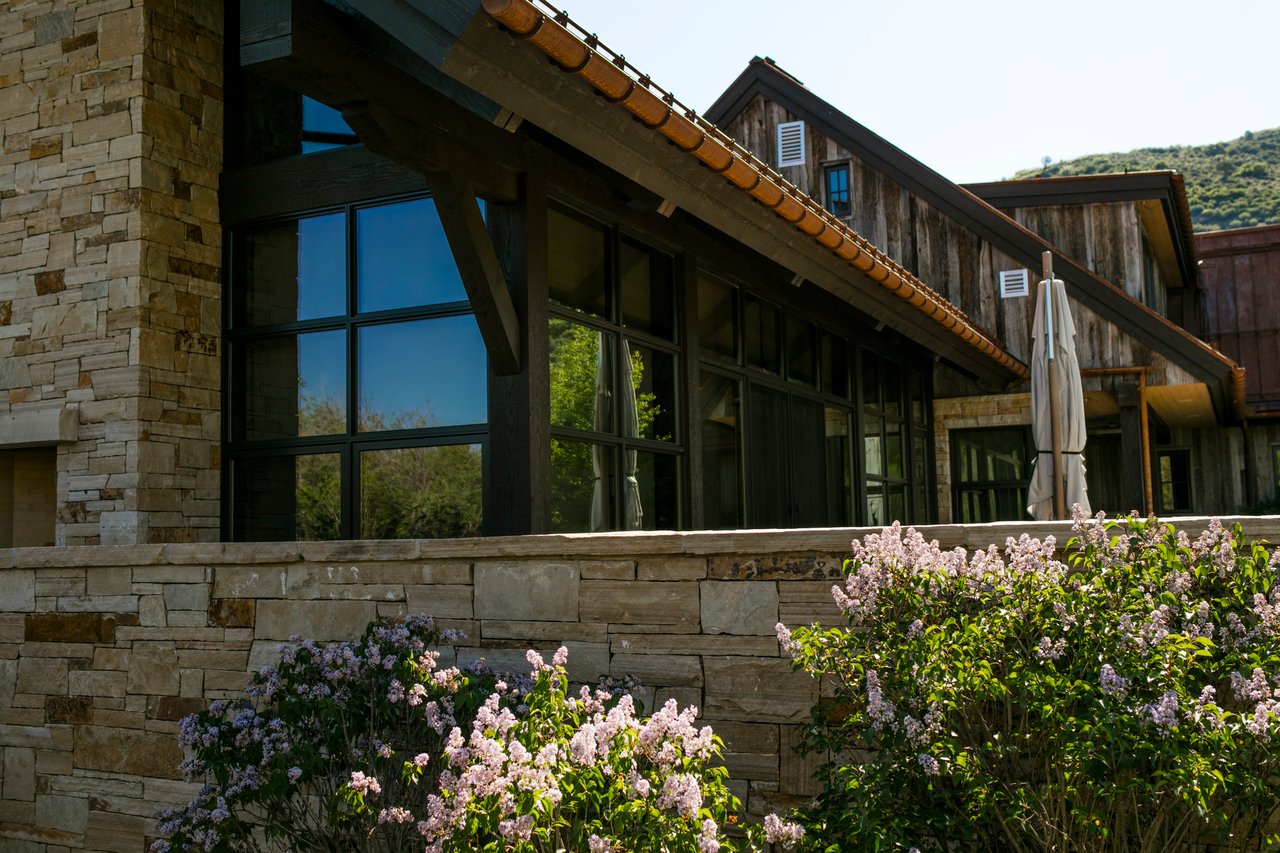
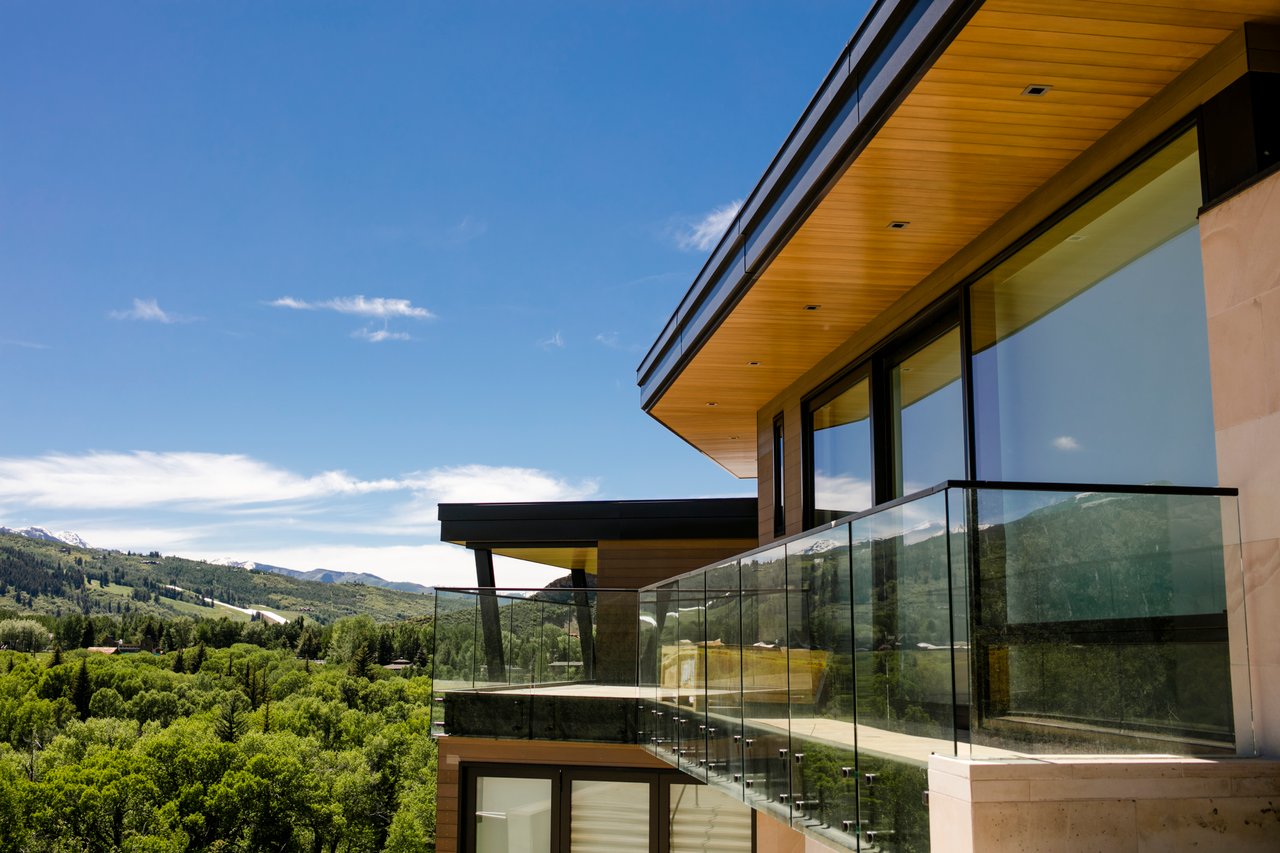
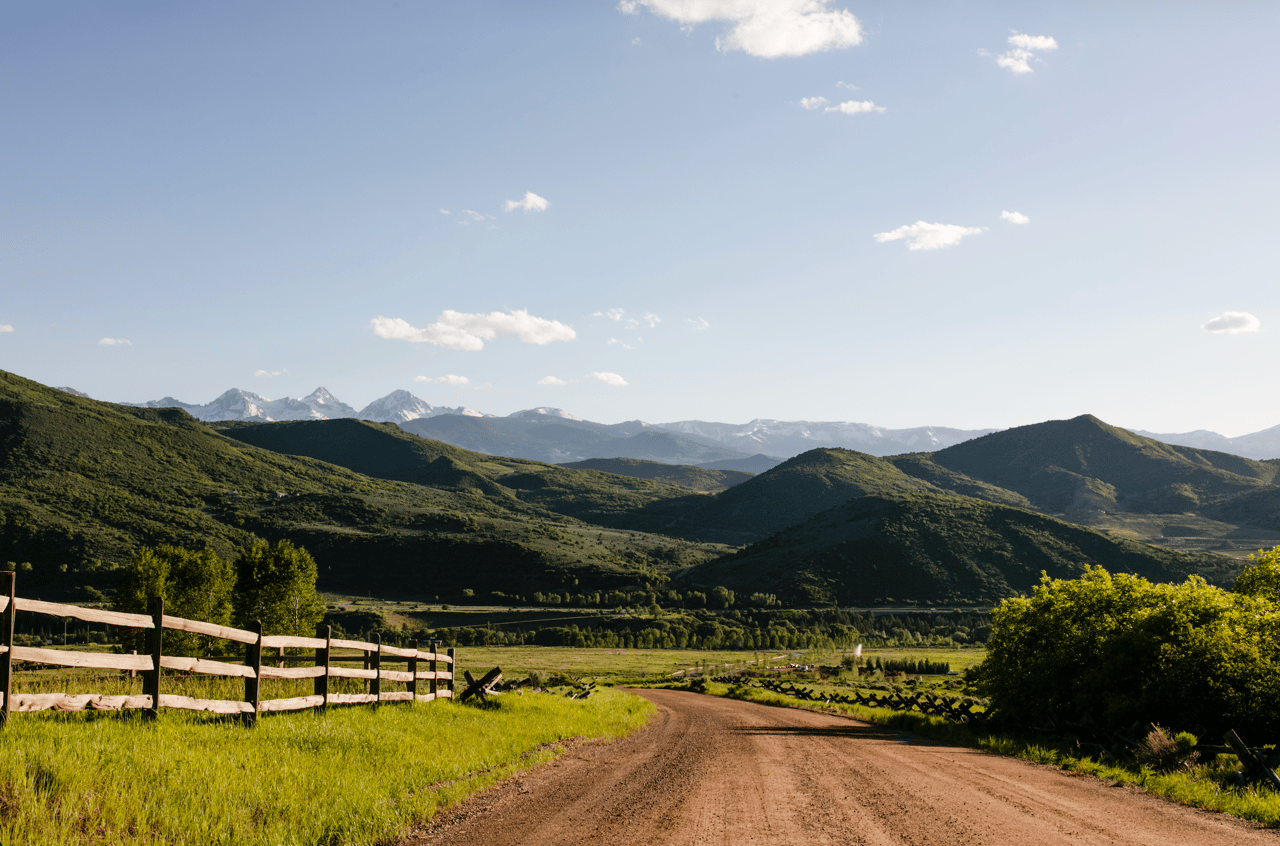
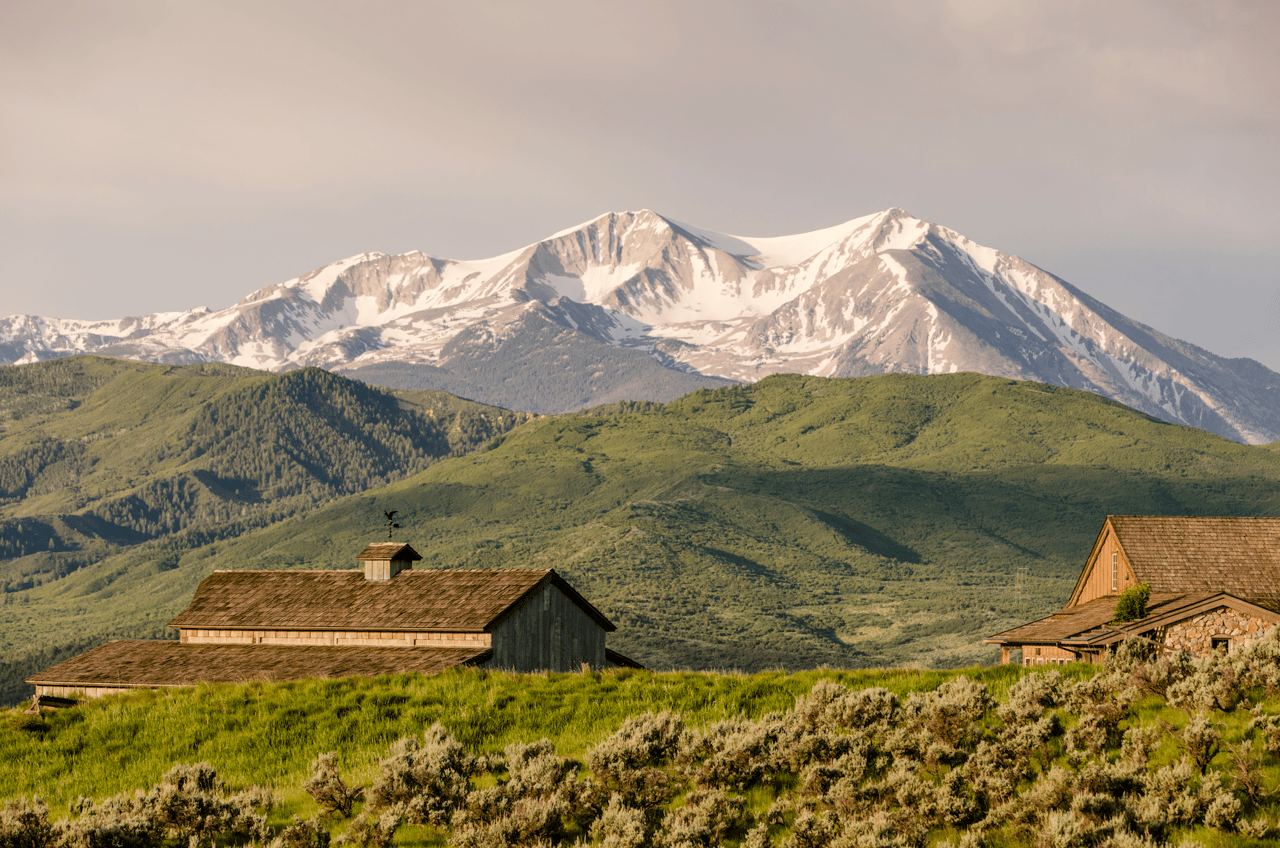
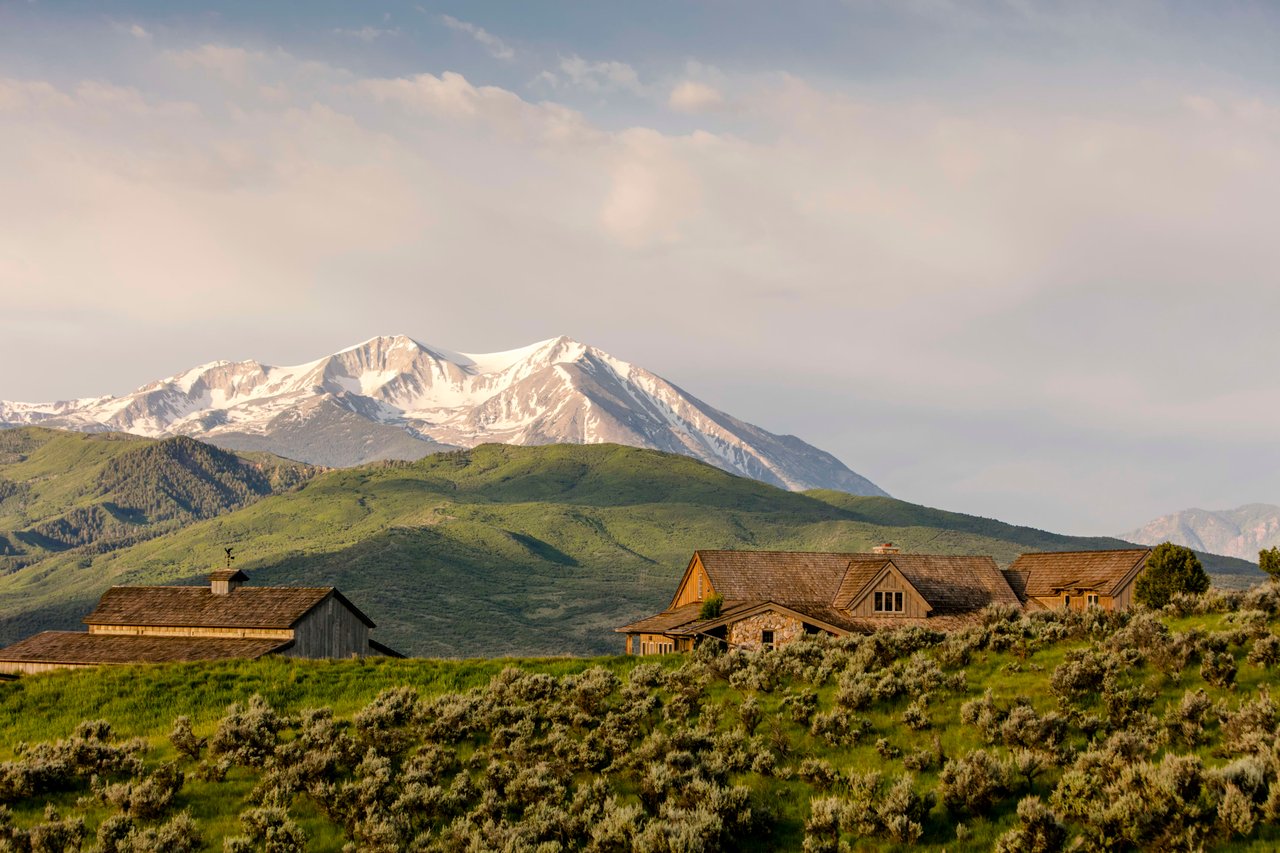
Behind the scenes, the summer market starts taking shape well before the summer crowd arrives. Sellers are preparing listings, working through staging, and waiting. Most experienced brokers will advise their sellers to hold off on listing photography until the valley has fully greened up. A home photographed against bare trees and brown hillsides is a different product than one set against full summer foliage and wildflowers. That recommendation pushes most photo shoots into late May or early June, and most launch dates into mid to late June at the earliest.
The goal is to be live and polished before the 4th of July, with enough runway to capture the attention that comes with it.
Memorial Day and Food & Wine: Busy Town, Measured Buyer Activity
By Memorial Day, Aspen feels alive again. The restaurants are noticeably fuller than they were a few weeks prior, the gondola is running, and the energy has shifted. Then Food & Wine arrives in June, and the perception is that the summer market has officially kicked off.
Showing activity does pick up from the off-season quiet, but it remains well below what peak season actually looks like. A busy town does not mean an active buyer pool. The Food & Wine crowd is focused on the event itself, not on real estate. The listings are live, the town is buzzing, and transaction activity is still minimal.
July: In Town but Not Yet in the Market
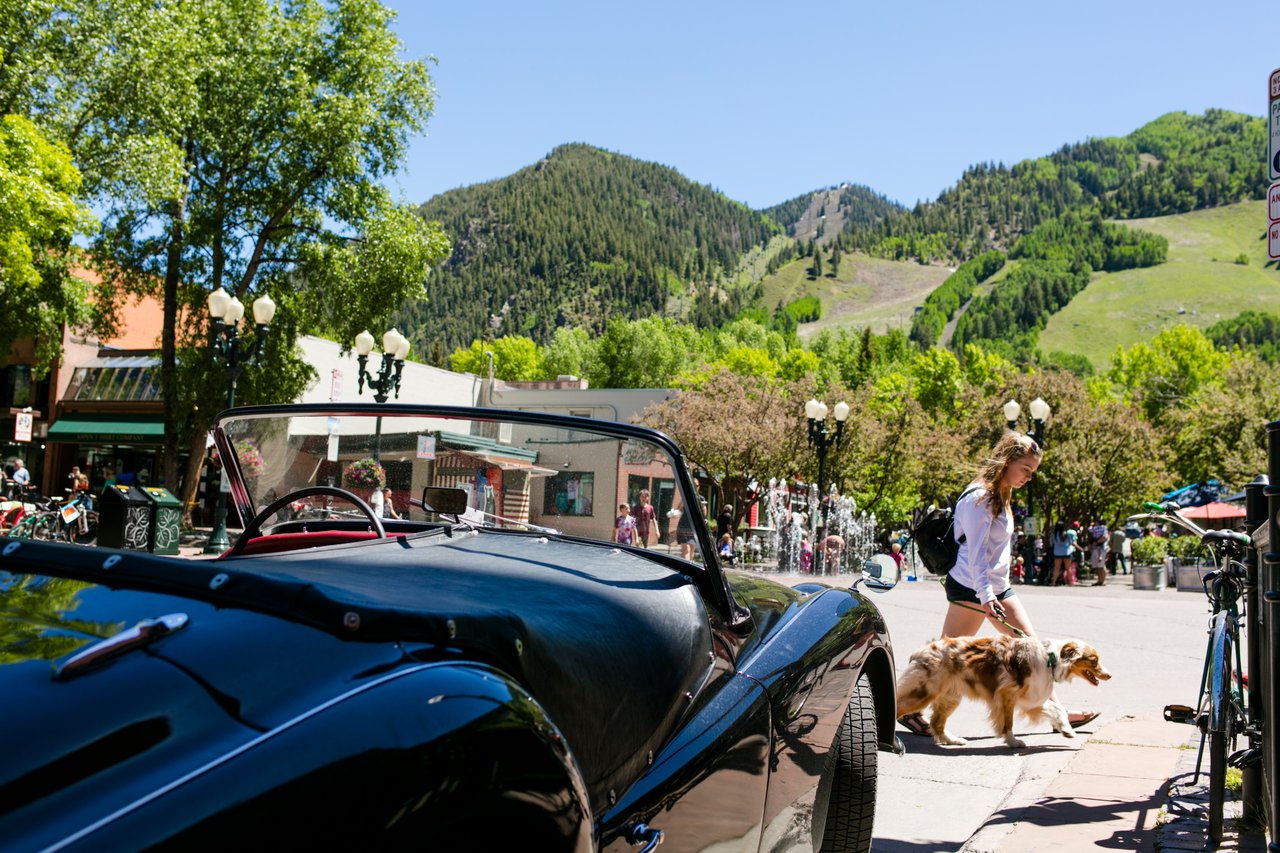
The 4th of July weekend marks the point when the valley fills up. Vacation homeowners arrive, rental guests settle in, and Aspen reaches its full summer energy. Town occupancy is at its absolute peak.
Showing activity hasn't caught up yet. People are here to enjoy themselves, hiking, biking, golfing, fishing, catching up with friends and family they invited for the holiday. Real estate is somewhere in the back of their mind, but it isn't competing well with everything else happening around them. There's a lag between a full town and an active buyer pool.
That changes in mid to late July. The initial excitement of being back settles into routine. People start making time for showings and having more serious conversations about whether to act. Showing volume climbs and stays elevated through August.
Late Summer Into Fall: Two Different Opportunities
Peak showing season and peak deal-making season are not the same thing.
Late July through August is when showing activity is at its highest. Inventory is at its most complete. Buyers have the most to choose from, and sellers have the most active buyer leads. For sellers, this is the window that matters most.
For buyers, the better opportunity often comes later. September is when transaction velocity builds, driven by a shift in psychology. As summer stays wind down and the prospect of heading home without acting on a plan they've carried all summer becomes real, buyers get serious. Offers get written.
The price reduction window comes later still, in late September and into October. Sellers who didn't generate offers during peak season start recalibrating. Listings that held firm through August often see meaningful adjustments in the fall, and that's when a patient buyer can put together the most favorable deal of the year. Sellers are motivated as they don't want to carry an unsold property into the off-season.
What This Means in Practice
For buyers, early summer is the right time to get oriented and understand what's available. Acting early ensures you have maximum options. Patience to wait until the early fall will bring additional negotiating leverage, but likely a more limited inventory of what remains on the market. Patience is often rewarded, but can backfire if the right option goes away.
For sellers, the most important reminder is that this is a long summer and a process that requires patience. It's easy to look out at a packed town in early July and expect offers to follow immediately. They often don't. The lag between peak occupancy and peak transaction activity is meaningful. A seller can be doing everything right, priced correctly, well-presented, well-marketed, and still not see meaningful buyer engagement until late summer or into the fall. That's not a sign that something is wrong. It's just how this market moves.
The summer market rewards preparation on both sides. The sellers who launch well and stay patient, and the buyers who time their offers correctly, tend to end up with the best results.